Post-Procedure Aftercare: a protocol, not a moisturizer
Aesthetics has a saying: three parts treatment, seven parts care. The industry believes it — and then hands patients a generic moisturizer. The post-procedure window is when your patient follows instructions closest. Build the protocol there.
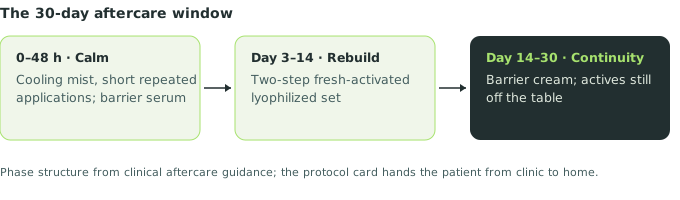
The window, phase by phase
Clinical guidance splits cleanly: 0–48 hours — cooling and calming, short repeated applications; days 1–3 — repair-format support for compromised barriers, several times daily; the recovery weeks — barrier lipids and humectants, with actives like retinoids and high-strength vitamin C off the table for the first month. Each phase needs a different format: mist and serum early, fresh-activated intensive in the middle, cream for continuity.
What the evidence says
The published base is real but young: a split-face study on CO2 laser recovery reported better scar-appearance scores in the exosome-assisted arm (32.5% versus 19.9% improvement, from a review in Aesthetic Surgery Journal), and a 2026 meta-analysis across 39 trials reports wrinkle-appearance and hair-density signals while calling standardization severely insufficient. Our aftercare system claims at exactly that level: appearance and comfort on documented material. No healing claims.
The gap, and the system
Overseas manufacturers almost never publish aftercare-deep content — the shelf position is open. The system answer has two stages: professional formats in-clinic, branded continuity at home — one characterization baseline, one protocol card that travels with the patient from clinic to home. The full architecture is in the Clinic Aftercare System playbook; the flagship product view is the Post-Procedure Repair Set.
Start a clinic pilot · The RejuvaSILK™ line
Get the test panel that matches your batch
Tell us your target category and expected first batch size (a sample run, around 100 units, or 1,000 and up). We will send the matching test panel, characterization references, and a sample COA for your tier.