AI small-batch flexible manufacturing:
from seed to vial in days.
One platform takes your product from screened seed to a documented, compliance-ready batch — small-batch exosome manufacturing from seed screening to release.
Scroll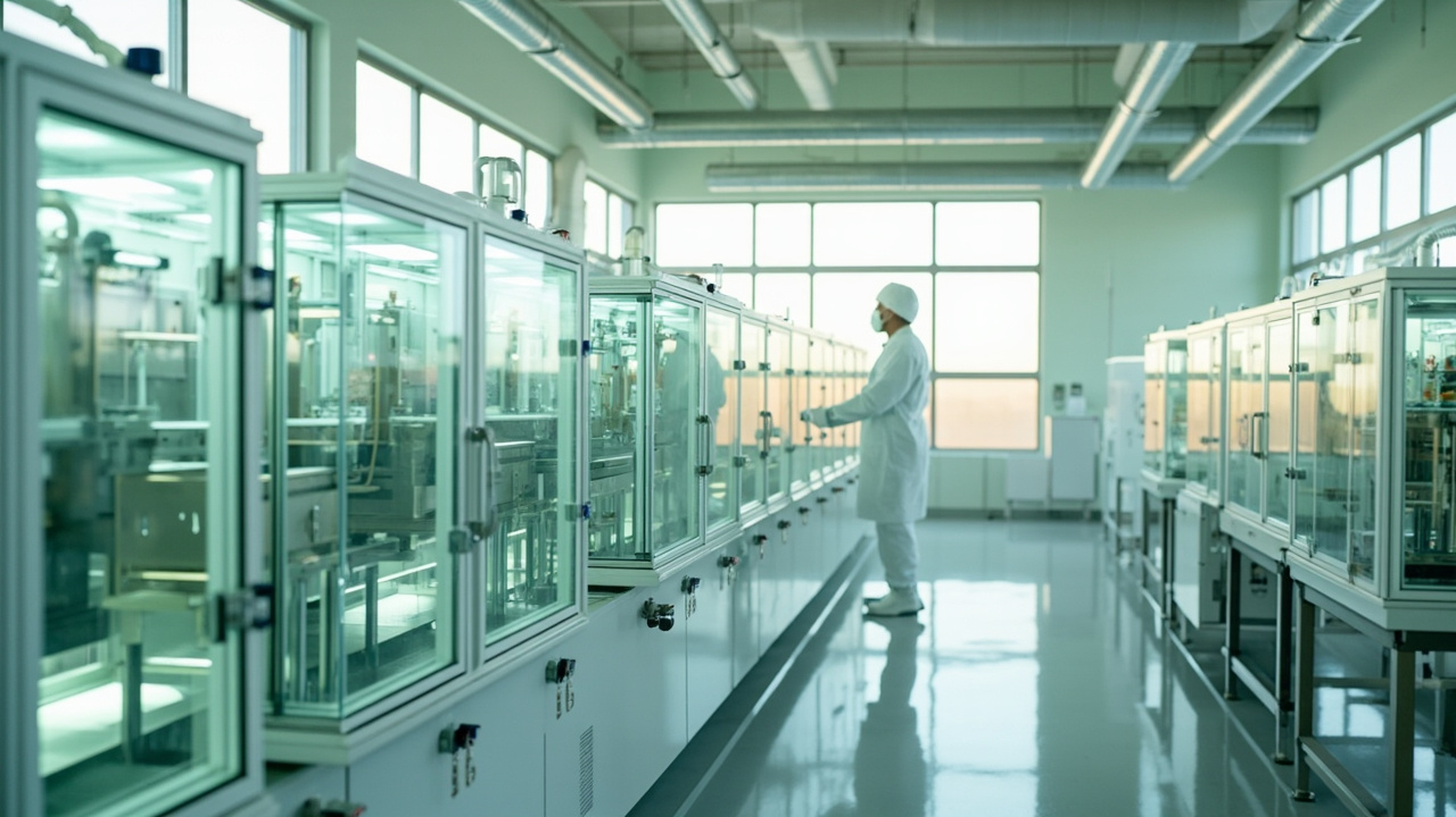
One cell line is not a program. Subtypes are.
Upstream, cells expand on a 3D fixed-bed biomimetic scaffold with low-shear waterfall-flow oxygenation. Before any batch, single-cell sequencing and AI clustering sort the population into program-matched subtypes at >95% purity. What this blocks for you: batch-to-batch drift — the failure that exposes resupplied, non-manufacturing "suppliers".
An enclosed production laboratory, run by software.
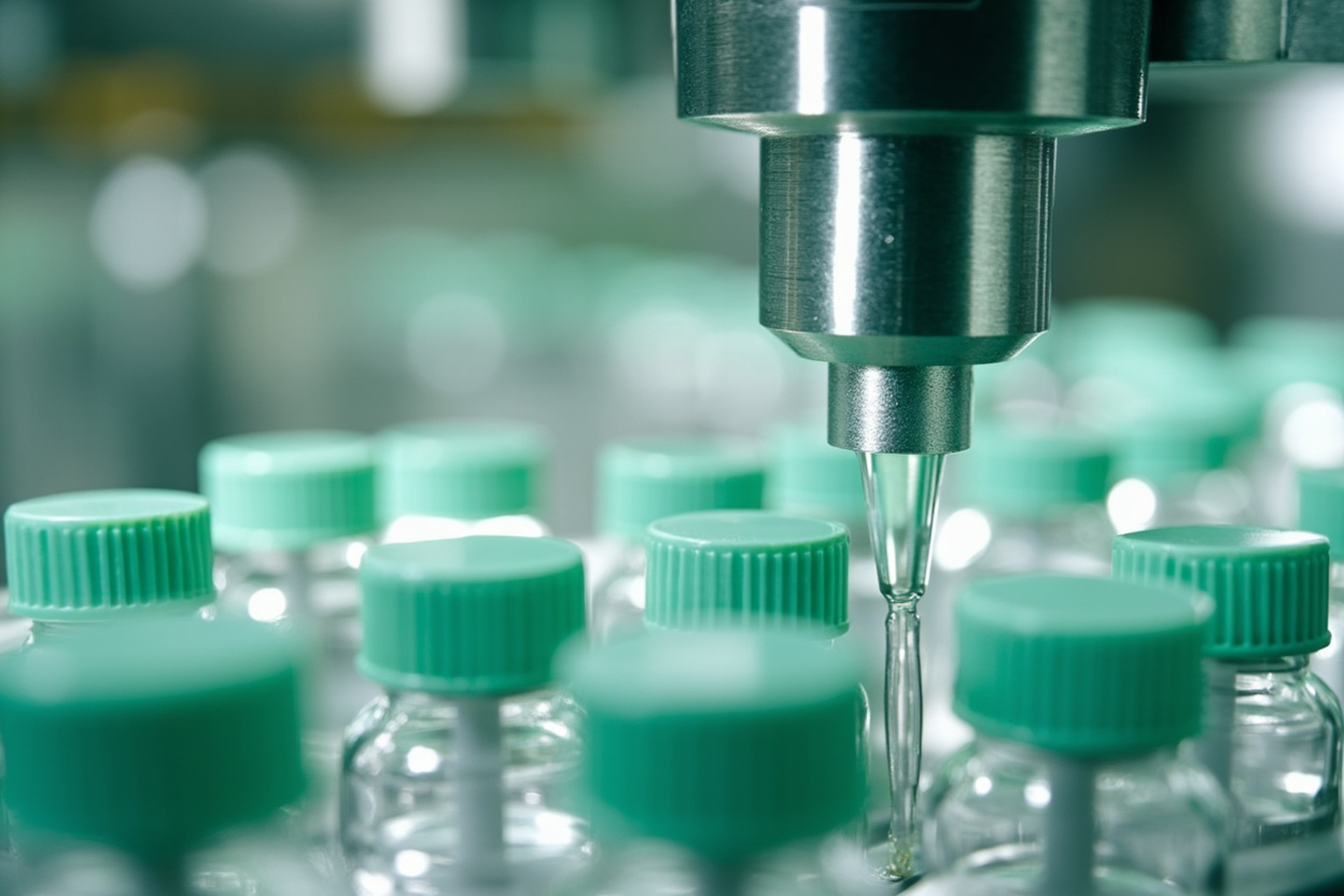
Imported pilot equipment is built for 5–50 L batches; individualized programs run at 0.5–5 L, where dead volume and open handling wreck a batch. Ours runs closed end to end: culture, purification, filling and release inside one system, with images from the working laboratory below. What this blocks: contamination and undocumented open handling — the two risks that end a product launch.
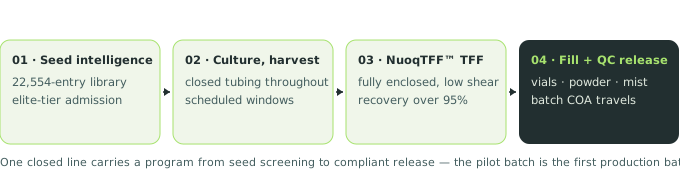
Four steps, seed to vial.
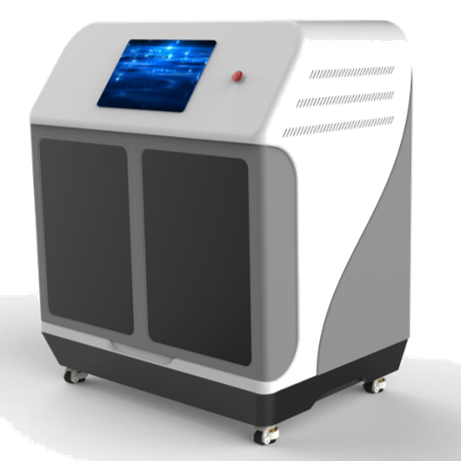
The small automated flexible production unit.
A benchtop closed purification system: one-touch programs, audit-trailed sessions, and consumables that swap in five minutes. It is the reason a 500-unit pilot and a 2,000-unit production run run on the same validated line.
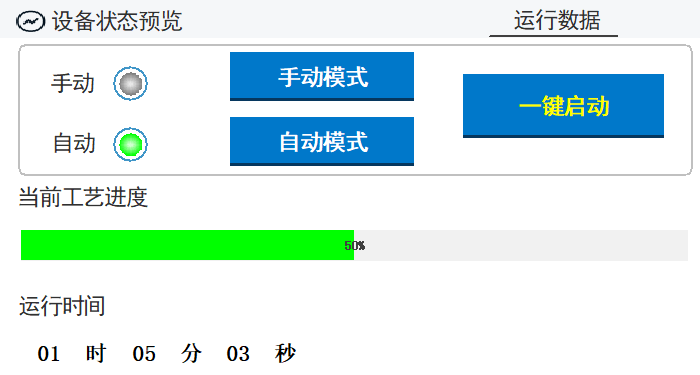
Left: the unit. Right: a purification program running — one touch, fully logged.
| Capability | Specification |
|---|---|
| Recovery | > 95% — low-shear TFF, low-adsorption cassettes |
| Sample input | 0.5–20 L — cell supernatant, serum, urine |
| Concentration | 1–100×, 3–5 intelligent dilution & exchange rounds |
| Membrane cassettes | Up to 8, PES media, multiple MWCO |
| Purification modules | TFF ultrafiltration + SEC size-exclusion, integrated; >99% host-protein removal |
| Flow path | 2–8 °C low-shear tubing — 100% enclosed handling |
| Recipe translation | AI biological prescription to machine parameters in seconds |
| Process programs | 20 flows × 6 liquid paths = 100+ programs |
| Consumable changeover | 5 minutes, fully enclosed single-use tubing |
| Operation time | −80% vs. manual processing; one-touch start |
| Compliance | Audit trail, electronic records, 3-tier permissions; FDA 21 CFR Part 11-aligned |
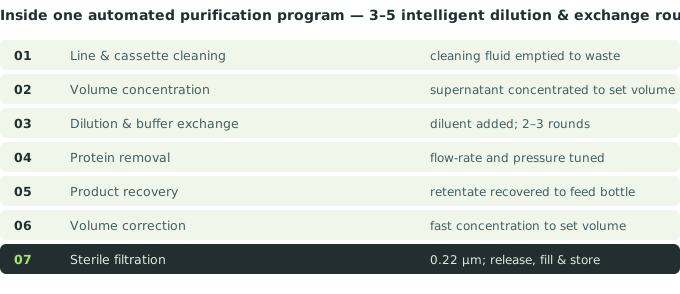
Launch at 500 units. Restock monthly. Rush lane: 7 workdays.
The line was built for programs, not campaigns: format changeovers re-qualify in hours, pilots run on the same validated line as production, and scheduling follows your sell-through.
From a real batch, not a stock image.
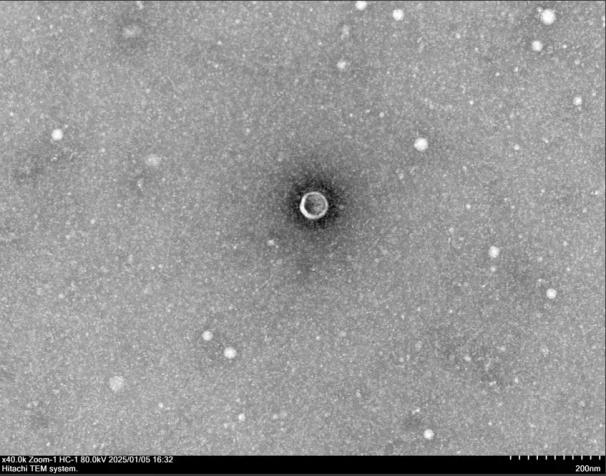
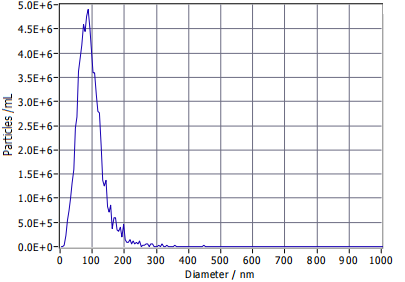
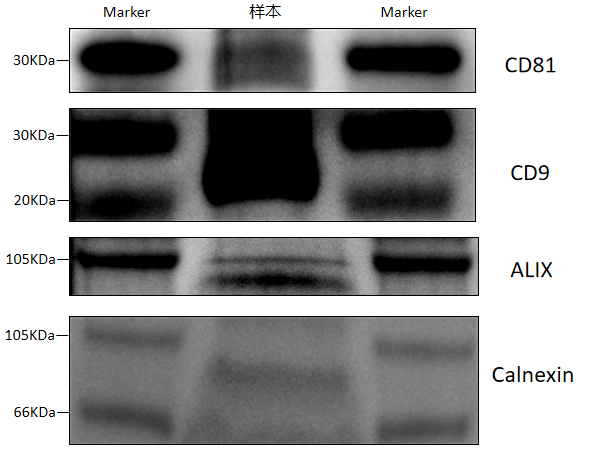
QC panel
QC test panel & release criteria
The characterization and release panel is organized around standards, filings and specifications: every batch is judged against the same specification, with methods aligned to the national standard Guide for Exosome Particle Size and Concentration Measurement (2026 No.17, drafting-organization basis) and T/CAPS 031–2025. Values below are indicative preview figures pending the published release specification; the laboratory quality system operates to CNAS review criteria.
| Test item | Method / basis | Specification (indicative) | Scope note |
|---|---|---|---|
| Particle size & concentration | NTA (nanoparticle tracking analysis) | 30–200 nm main peak (indicative) | Tested every batch; release specification |
| Morphology | TEM (transmission electron microscopy) | Typical vesicle morphology, no visible aggregation (indicative) | First article + periodic re-test |
| Purity | Protein residue / particle purity ratio | >99% (indicative, pending QC release data) | Same basis as the digital wall |
| Endotoxin | Bacterial endotoxin test | Set per dosage-form specification (indicative) | Tested every batch |
| Sterility | Sterility test (membrane filtration) | Negative control holds (indicative) | Tested every batch |
| Batch release | All of the above + complete COA review | Released only when every specification is met | Release criteria fixed per dosage-form track |
Note: official specifications are governed by the batch release standard and the COA shipped with each batch; this table is a B1 preview.
FAQ
The 5 questions brands ask us most (preview)
What is your MOQ?
MOQ is set at project initiation by dosage-form track and volume tier; your quotation states the final number.
What are the lead times?
Lead time builds up across four stages — seed readiness, micro-batch production, QC release, compliant delivery; a concrete window is quoted against the production schedule after the project brief, with no fixed promises (indicative).
Do you offer private label?
Yes. The OBM system supports both private-label and co-branding routes, with brand assets and channel ownership agreed up front in the cooperation framework (see the Model A / Model B details on /obm/.
Do you share characterization data?
Yes. Every batch ships with a COA and a characterization data package (NTA / TEM / purity / endotoxin / sterility); test methods align with the standards, and specification decisions stay transparent and re-verifiable.
Which compliance documents do you provide?
Documents are delivered by track: INCI, FDA DMF, group-standard conformity files, national-standard characterization reports and more; the exact list is confirmed at project initiation based on the target category (indicative).
Next step
Bring us your category and batch size — let's talk.
Book a discovery call: bring a one-line brief — category, track, expected batch size — and we'll map an executable route and specification for it.