Batch-Release QC Panel: Methods Named, Criteria Stated, COAs You Can Compare
You can't line up two EV COAs and tell which material is better, because suppliers don't name their release methods. Here is the panel TONGNIAN releases against — MISEV2018-aligned, anchored to the 2026 No. 17 guideline.rable release panel — a MISEV2018-aligned, guideline-anchored panel design is the comparability fix.
01 · The problem
The EV shelf has no comparability: suppliers quote particle counts with unknown methods, purity without definitions, and no buyer can line up two COAs and see which material is better. The fix: a release panel built for comparability — methods named, criteria stated, anchors cited — open enough that diligence is reading one table.
02 · Scientific rationale
The panel design follows the two anchors: MISEV2018's characterization logic [2] (particle characterization with orthogonal methods, cargo/impurity checks) and the national measurement guideline for particle size and concentration (2026 No. 17, TONGNIAN a drafting organization) [5]. Industrial downstream guidance [4] supplies the process-side tests. The panel is then fixed per program family and printed on the COA.
03 · Program documentation
Panel criteria and method combinations are documented in TONGNIAN's internal QC files [6]; COAs and characterization baselines are shared with partners on request.
Method anchors: [1] EV biology and cargo [2] MISEV2018 characterization [3] category evidence (review or registered study) [4] formulation and handling guidance [5] national measurement guideline (2026 No. 17) [6] internal protocol and case documentation.
04 · Product architecture
| Panel item | Method | Anchor |
|---|---|---|
| Particle-size distribution | NTA + TEM cross-check | National guideline [5] |
| Particle concentration | NTA | National guideline [5] |
| Endotoxin | Kinetic chromogenic (LAL) | Industry standard [4] |
| Sterility / microbial limits | Membrane filtration | Pharmacopoeia-style panel |
| Batch release | COA + batch records | Every batch |
05 · Process & QC
Every batch runs the full panel before release; retain samples are kept per batch, and characterization summaries ship with the COA. Same panel across program families — comparability is the point.

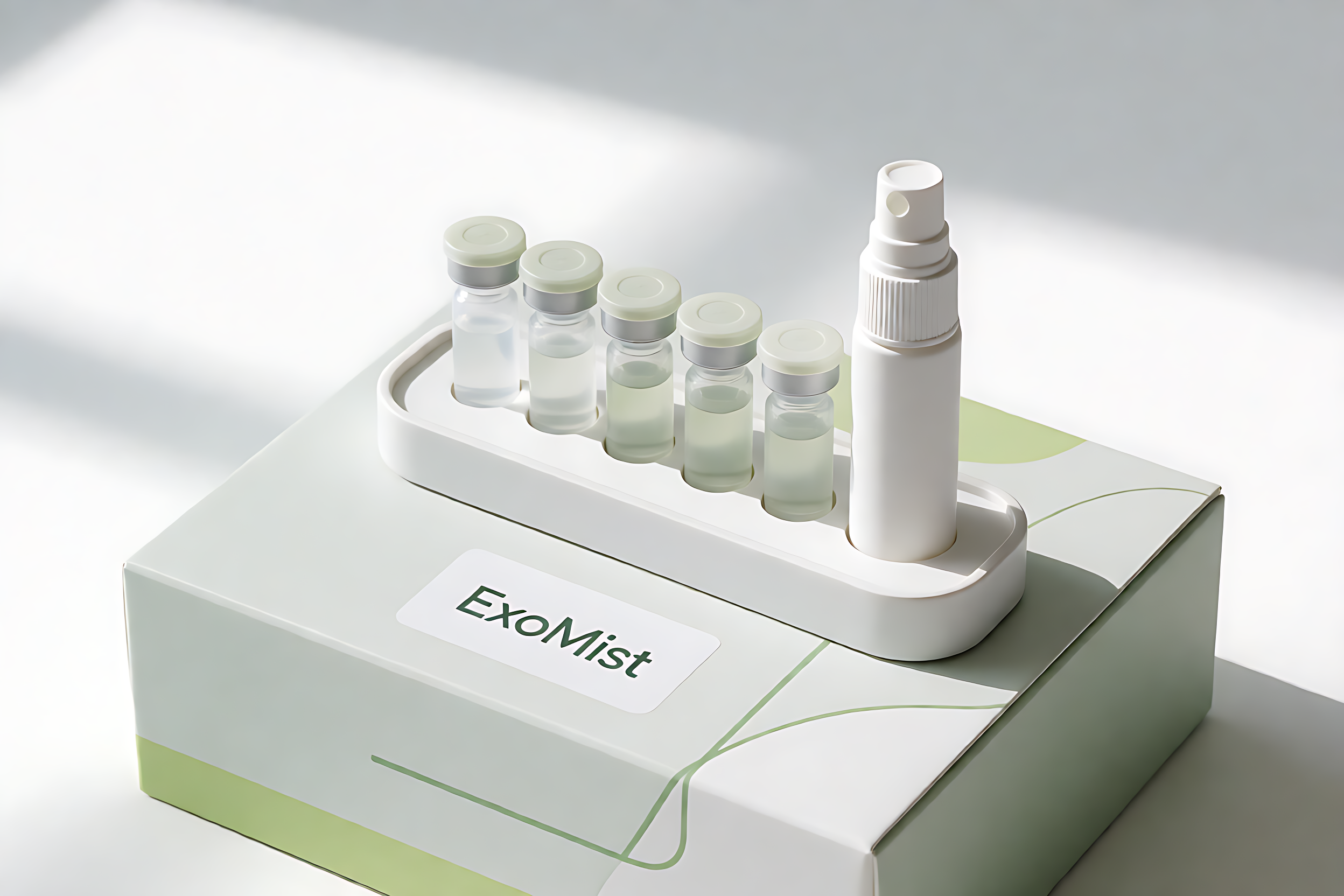
Fig. 1 — The release panel: five test blocks, anchored methods.
06 · Regulatory pathway: EU & US first
The panel itself is market-neutral documentation; destination-market requirements layer on top (CPNP safety files, MoCRA listing support). Drafting participation in the national standard anchors the methods.
07 · Expected outcomes
- Comparable COAs: a clean, comparable COA doubles as your sales document.
- Diligence acceleration: the buyer's checklist is pre-answered.
- Anchored methods: MISEV2018 plus the national guideline — methods your buyer's QA team recognizes, not in-house conventions.
No claims beyond the destination-market framing — authority comes from documentation and batch measurement.
08 · Commercial framework
Sample kits in 3-5 days; pilot from 500 units; production from 2,000 units; standard lead 15 workdays - all indicative, quoted per request. White-label and program naming run through the OBM program.
Request a quote - Line fact-sheet per program page.
References
- Kalluri R, LeBleu VS. The biology, function, and biomedical applications of exosomes. Science. 2020;367(6478):eaau6977.
- Théry C, et al. MISEV2018. J Extracell Vesicles. 2018;7(1):1535750.
- Cobetter. Exosomes Part I: Applications and Downstream Processing Overview. Technical review, 2025.
- Guideline for Exosome Particle Size and Concentration Measurement (2026 No. 17) — TONGNIAN, drafting organization.
- TONGNIAN internal process documentation — closed-line SOPs, QC panels, batch records (partner access under NDA).
Apply this playbook to your category
Submit your brand stage, target category, and target volume tier to receive specifications, MOQ, and lead-time quotes for the matching tier (quotation follows the tier structure).